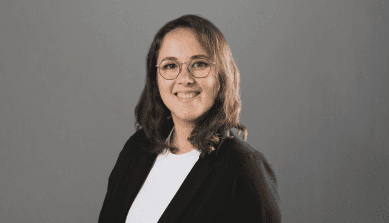

Q1. Could you briefly introduce yourself, your profession, and your daily work with patients?
I am a healthcare professional at heart, even though I have not practiced for four years.
As a pediatric nurse specialist, I worked for five years in a severe burn center, caring for patients with severe cutaneous conditions.
Q2. How did you participate in the Purple May day in La Baule? What motivated you to attend that day?
I got involved following an exchange with the representative of the France Asso Cancer et Peau association in Loire-Atlantique, who was looking for a healthcare professional available for two days. Her words motivated me to commit to this personal outreach initiative aimed at public prevention.
In Loire-Atlantique and Brittany, skin conditions and melanomas are particularly prevalent. There is an increase linked to the fact that people do not beware of the sun enough: the heat does not serve as an effective warning.
Q3. How were you trained or briefed prior to the day?
I completed the training on the HUVY platform the first time with the representative from France Asso Cancer et Peau, and then I went through it again on my own a few days later to thoroughly master the tools.
I had not yet held the dermatoscope in hand at that stage. On the day of the event, the presence of the HUVY team before the patients arrived was an invaluable help.
Q4. What was it like the first time you used HUVY on a patient that day, how did it go? How did you feel?
I was glad to be able to provide tangible assistance. It is a user-friendly tool with many advantages, starting with the speed of response regarding risk assessment.
Before displaying the result, I took the time to inform the individual: HUVY is a screening tool, not a diagnostic device. I explained the ABCDE criteria to prepare them, as receiving an indication of risk can be anxiety-inducing.
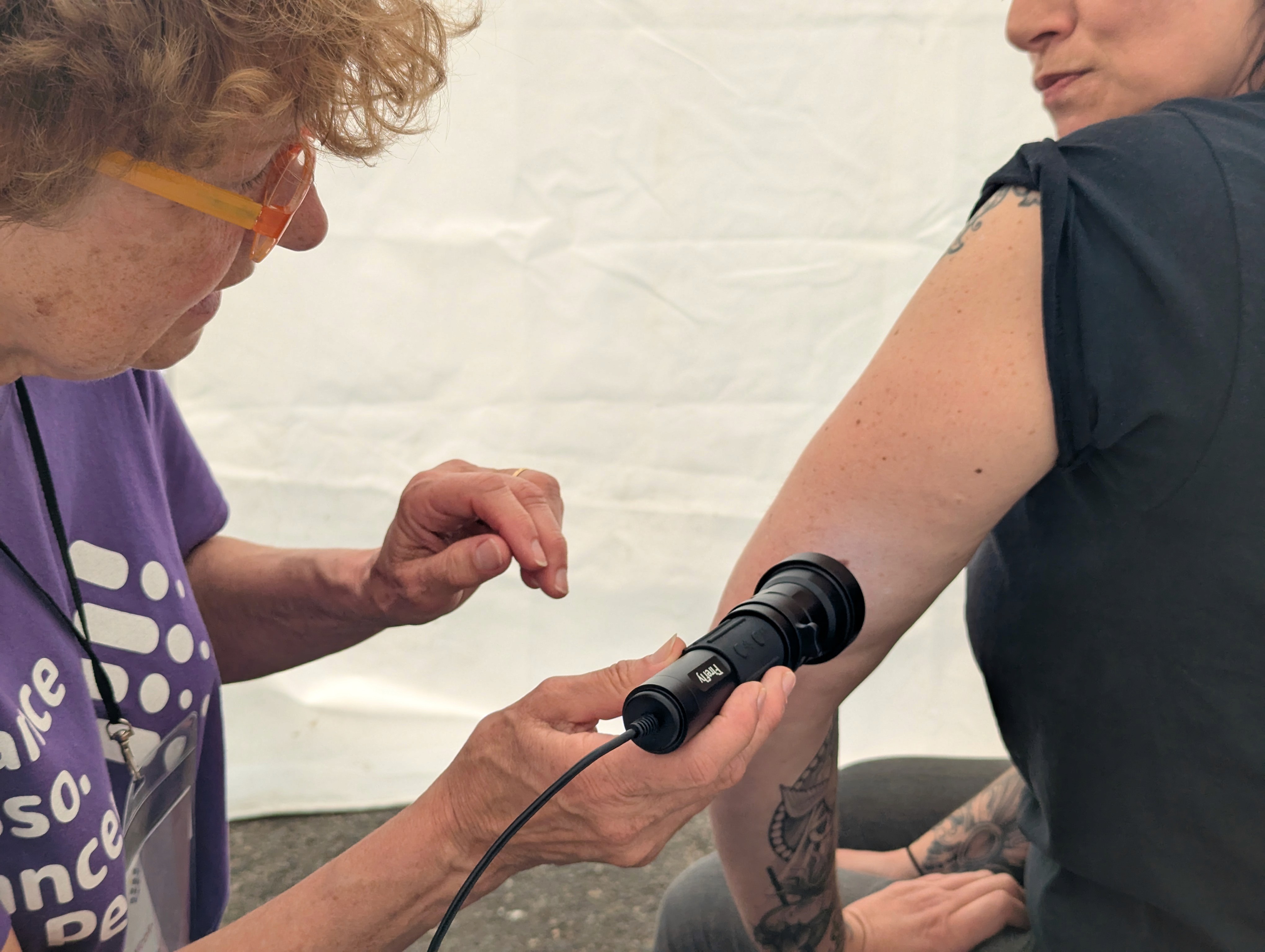
Our patients were not there out of mere curiosity; they had genuine concerns. Some had a history of extensive sun exposure in their youth. Others had a history of carcinomas or other cancers (breast, ovarian, etc.) and were seeking to monitor their skin. Many were affected by medical deserts: their dermatologist had retired without being replaced. There were also individuals with chronic skin conditions lasting for years. For all these profiles, the key was to reassure them, explain how HUVY works, and remind them that it was an initial triage tool.
Approximately one hundred patients were evaluated over two days, representing one patient every 15 minutes. The patients were reassured, and we provided them with all essential prevention information.
Additionally, Professor BOUSSEMART (Dermatologist in Nantes) kindly served as a reference specialist whenever a patient presenting moderate or high risk needed reassurance.
Q5. Did you remember the steps easily, or did you need assistance? Did you have any reservations regarding AI?
I felt confident very quickly. Sincerely, if I were to participate in another prevention initiative tomorrow, I would retake the HUVY training without hesitation: it is well-designed, clear, concise, and focused, and it can be revisited at any time. After that, real-world experience is what truly makes the difference.
Q6. How long does an analysis take with HUVY? Does it integrate smoothly into a patient consultation?
Yes, it is fairly fast, and the dialogue with the patient takes place naturally in parallel.
The tool builds a connection: it allows you to convey a prevention message and introduce self-examination.
Q7. Was there a particular moment during that day that resonated with you, a patient, a situation, or a reaction?
I became acutely aware of the evolution of healthcare delivery in France and the medical deserts that now extend well beyond rural areas. Many patients simply did not know who to turn to or how to access care.
Q8. How has HUVY changed the way you handle patient interactions?
The device did not hinder the interaction at all; quite the contrary. It is much like taking a temperature, using a stethoscope, or applying a blood pressure cuff: it becomes an integral part of clinical practice.
And when you take the time to explain it, HUVY itself becomes a medium for dialogue with the patient.
Q9. How did patients react when you introduced HUVY to them, specifically the fact of being evaluated by an AI? Did this raise questions or concerns?
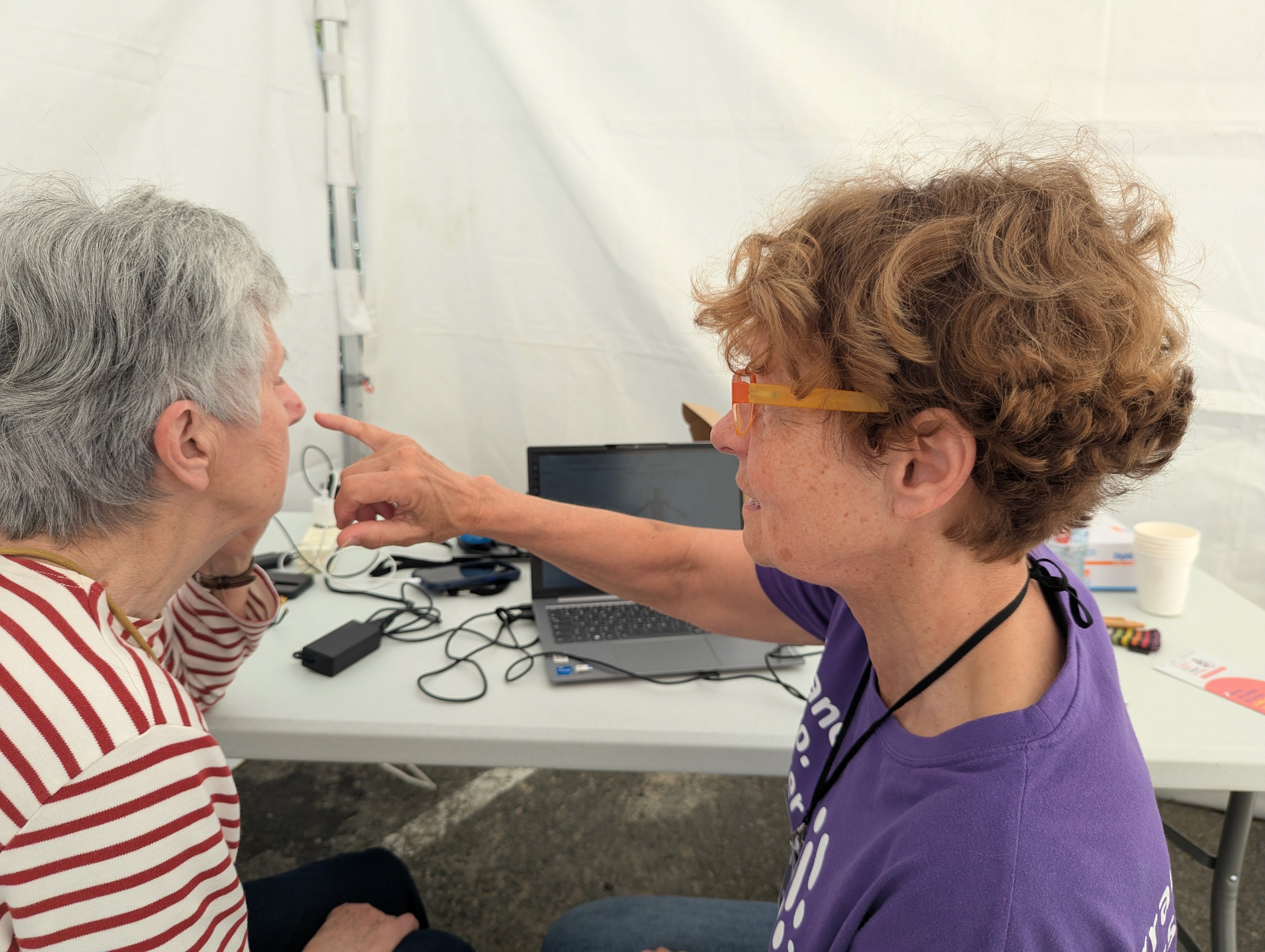
They accepted it very well. Some were surprised by HUVY's speed. The most important aspect is to show them the output and maintain an educational approach: I showed them the captured lesion, the displayed risk level, and what their next steps should be.
There was no panic. No one left without knowing what to do; the guidance facilitated by HUVY is truly essential.
Q10. What does HUVY provide that you did not have before, in your role, and in your patient relationship?
It is an additional prevention tool that further engages and motivates patients, because it is not merely a photograph: behind it lies clinical decision-support output.
The objective is to better identify patients requiring follow-up, thereby saving time and increasing care efficiency.
Q11. Do you plan to incorporate HUVY into future events?
Yes, absolutely. Within the scope of a prevention initiative, I would participate again with HUVY without hesitation.
Q12. Anything else to add?
It was a rewarding experience, and I am glad to have been part of it. The patient-clinician relationship is at the core of my professional commitment, and HUVY was a truly remarkable discovery.