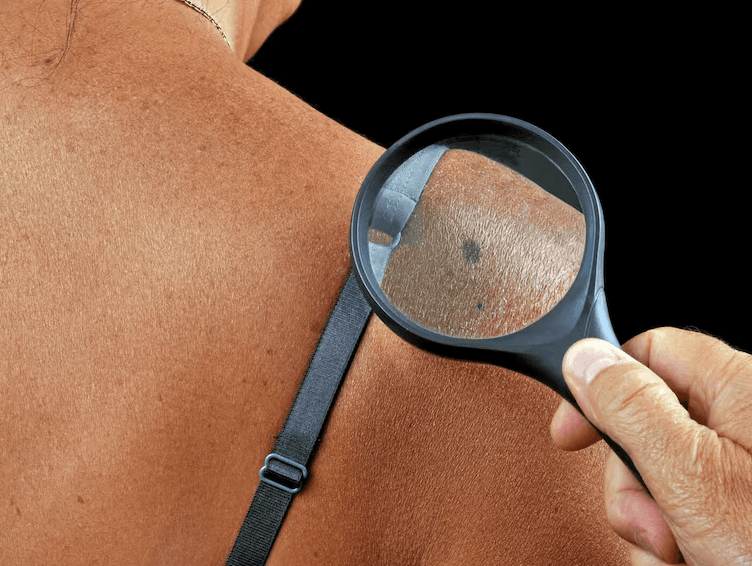
The article investigates the rapid proliferation of artificial intelligence tools for melanoma screening, available in pharmacies or via smartphones, described as a "new Wild West."
Faced with a shortage of dermatologists and an increasing incidence of melanoma (approximately 18,000 cases/year in France), numerous start-ups are offering automated skin lesion analysis solutions. However, experts warn of potential pitfalls: a lack of scientific transparency, an absence of robust clinical trials, and the circumvention of regulatory requirements, particularly regarding the CE Class IIb marking required for this type of medical device.
Cases of false negatives and false positives are highlighted, raising risks for patient safety and the potential for further overburdening the healthcare system.
Nonetheless, the article emphasizes that AI holds genuine potential to improve triage and expedite the management of urgent cases, provided there is strict regulatory oversight, sound clinical validation, and structured integration into the patient care pathway.
Finally, Huvy is presented as the only tool in France to have obtained the appropriate regulatory certification, following multiple clinical trials and demonstrating performance levels exceeding the thresholds required by health authorities.